Arctic Monkeys and James Ford Reunion Rumors Heat Up for 2026


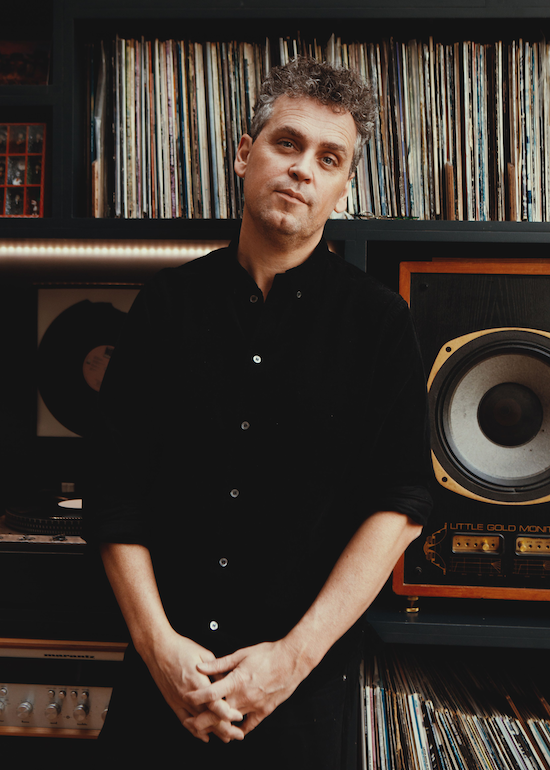
Whispers have a way of turning into waves in the music industry, and right now few rumors are generating as much quiet intensity as the renewed chatter linking Arctic Monkeys with their longtime collaborator James Ford. What began as scattered studio sightings and vague industry murmurs has grown into one of the most talked-about developments on the horizon, especially as the calendar edges closer to a pivotal year for the band.
For fans and insiders alike, the timing feels anything but accidental. With the Arctic Monkeys concert 2026 already looming large in speculation circles, the idea that the band could be reconnecting with the producer who helped define some of their most celebrated work has added a new layer of intrigue. In an era where reunions—creative or otherwise—are often framed as nostalgia plays, this particular possibility feels more strategic, more purposeful, and potentially more transformative.
The rumors are not loud. There has been no official statement, no dramatic social-media tease. Instead, the story has been unfolding through implication and pattern recognition, the kind of slow-burn narrative that Arctic Monkeys have often favored. And that subtlety is precisely why the conversation refuses to die down.
Who Is James Ford—and Why He Matters to Arctic Monkeys
To understand why these rumors matter, it’s essential to understand James Ford’s role in the Arctic Monkeys story. Ford is not just another producer in the band’s long list of collaborators; he is a defining architect of their sonic evolution. Working alongside Alex Turner and company during crucial periods, Ford helped steer the band from raw indie energy into more refined, stylized territory.
Ford’s production fingerprint is recognizable without being overpowering. He is known for marrying clarity with character—clean, punchy drums, sharply defined bass lines, and a willingness to let space and atmosphere carry as much weight as distortion. For Arctic Monkeys, this approach became a bridge between their early, scrappy urgency and their later, more cinematic ambitions.
His influence coincided with moments when the band seemed most confident in reinventing themselves, and that association has stuck. For many listeners, Ford represents not just a collaborator, but a creative compass.
Where the Reunion Rumors Began
As with most modern music rumors, this one did not originate from a single leak or announcement. Instead, it emerged from a constellation of small, seemingly unrelated details. Reports of studio bookings in London overlapping with Ford’s known schedule were among the earliest sparks. Then came anecdotal sightings—unverified, but persistent—of band members entering facilities Ford has been linked to in recent years.
Fan communities, particularly those adept at tracking metadata, began connecting the dots. Equipment rentals, studio calendars, and even cryptic comments from engineers on social media were scrutinized. None of these clues confirmed anything outright, but together they painted a picture that felt increasingly intentional.
Industry whispers added fuel. While no label executive has gone on record, several insiders have hinted that Arctic Monkeys are “back in a reflective but forward-looking phase,” a description many fans immediately associated with the Ford era. The lack of denial, in a media environment where silence is often louder than words, has only intensified the speculation.
A Look Back: The Ford-Produced Arctic Monkeys Sound
When fans talk about James Ford’s impact, they often point to specific albums and tracks as touchstones. Records like Favourite Worst Nightmare and AM are frequently cited as moments when the band struck a near-perfect balance between accessibility and edge.
During these periods, Arctic Monkeys sounded assured without being predictable. Songs were tightly constructed, but never sterile. Grooves felt deliberate, lyrics sharp yet enigmatic. Ford’s production amplified these qualities rather than overshadowing them, allowing the band’s personality to remain front and center.
For many longtime listeners, this era represents a creative peak—not because later work lacked ambition, but because it felt like a moment when all elements aligned seamlessly. That association explains why any hint of a reunion with Ford instantly triggers excitement.
Why 2026 Is the Perfect Moment for a Reunion
Context matters, and in 2026 Arctic Monkeys will find themselves at an interesting crossroads. They are a band with nothing left to prove commercially, yet still deeply invested in artistic evolution. Their recent projects have leaned into mood, narrative, and atmosphere, sometimes challenging listeners’ expectations.
A reunion with James Ford at this stage would not read as regression. Instead, it could signal a recalibration—a chance to integrate lessons from their more experimental phases with the sharpness and immediacy that once defined them. The looming Arctic Monkeys Tour 2026 only heightens this sense of possibility. Tours often serve as both culmination and preview, reflecting where a band has been and hinting at where they are headed.
If a creative reset is coming, 2026 feels like the right moment to unveil it.
What a Reunion Could Mean for New Music
Speculation about sound is inevitable, and fans have been quick to imagine what a Ford-influenced Arctic Monkeys project might look like in the current era. Some expect a return to muscular riffs and swaggering rhythms; others anticipate a subtler integration of groove and atmosphere, filtered through the band’s more recent sensibilities.
What seems most likely is balance. A Ford reunion would not erase the cinematic ambitions of recent records, but it could ground them in tighter structures and more pronounced rhythmic focus. Themes might continue to explore introspection and cultural observation, but delivered with renewed punch.
In short, the collaboration could act as a translator between past and present, making new ideas feel immediately resonant without sacrificing depth.
Tour Implications: Sound Translating to the Stage
Any shift in production philosophy inevitably affects live performance. If James Ford’s influence is indeed back in the mix, fans can expect subtle but meaningful changes in how songs are arranged on stage. Tighter grooves could lead to more dynamic pacing, while clearer instrumental separation might enhance the impact of both older hits and newer material.
Setlists could also evolve. Tracks from Ford-produced eras might take on renewed prominence, reworked to fit alongside newer songs rather than existing as nostalgic throwbacks. Performance dynamics—lighting, pacing, even crowd interaction—could reflect a sharper, more kinetic energy.
For a tour already expected to be one of the band’s most significant, these nuances could make a noticeable difference.
Industry and Fan Reaction
The media response to the rumors has been cautious but attentive. Major outlets have framed the story as “unconfirmed but compelling,” acknowledging the lack of official word while recognizing the weight of the speculation. Analysts note that anticipation feels unusually high, even by Arctic Monkeys standards.
Among fans, the reaction borders on reverent excitement. Online discussions are less about hype and more about possibility—what the reunion could mean, rather than simply whether it will happen. That tone suggests a deep trust in the band’s judgment, and a belief that any decision to work with Ford again would be creatively motivated rather than commercially driven.
Conclusion
The James Ford reunion narrative refuses to fade because it taps into something fundamental about Arctic Monkeys: their ability to evolve without losing identity. Whether the rumors lead to confirmation or quiet denial, the conversation itself has already reshaped expectations for 2026.
If the collaboration is real, it could redefine the band’s next chapter, aligning legacy with momentum as they move into a new touring and creative cycle. And if it isn’t, the speculation still highlights how powerfully certain creative partnerships linger in the collective imagination. Either way, Arctic Monkeys’ 2026 story is already being written—one rumor at a time.
Resource
https://en.wikipedia.org/wiki/Arctic_Monkeys
https://en.wikipedia.org/wiki/James_Ford_(musician)
https://en.wikipedia.org/wiki/Favourite_Worst_Nightmare
https://en.wikipedia.org/wiki/AM_(Arctic_Monkeys_album)
Comments
Post a Comment